Making moonshine smoother: exploring advanced filtration for home distillers in the UK
What advanced filtration techniques can UK home distillers use to make moonshine smoother and purer?
For many, the idea of homemade moonshine in the UK conjures up images of something harsh, maybe a little fiery, and definitely not something you'd sip for pleasure. But what if you’re looking to make something truly smooth and pure at home, a spirit that changes perceptions just like we aim to do at AK Distillery? The key often lies in understanding and applying advanced filtration techniques. This isn't about transforming something unsafe into safe – that’s a different, much more fundamental conversation about responsible distillation – but about refining the character of a spirit you’ve already produced safely.
When people try our Polish-style moonshine, one of the most common first-sip reactions we hear at markets across the North West is a genuine surprise at its smoothness. They expect that familiar burn from the TV stereotype, but they don't find it. This smoothness isn’t magic, and it’s something home producers often aspire to. While I can't share our specific processes, the principles of careful filtration are universally understood to contribute to a cleaner, more approachable spirit. For those keen to improve their home efforts, looking into more sophisticated methods than a simple coffee filter can make a real difference.
Why does advanced moonshine filtration matter for home producers?
Filtering spirits, especially moonshine, goes beyond just making it visually clear. It’s primarily about removing undesirable congeners and impurities that contribute to off-flavours and that 'harsh burn' sensation many people associate with moonshine. A well-filtered spirit tastes cleaner on the palate, allowing the underlying flavours to shine through without interference. For someone crafting spirits at home, aiming for a smooth finish can elevate their product from a novelty to something genuinely enjoyable. It’s about creating an easy-to-sip spirit that doesn't challenge the drinker but invites them in.
Moving beyond basic methods, advanced filtration helps to achieve a premium drinking experience. It’s not about stripping the spirit of its character, but refining it, much like polishing a rough gem. The goal isn’t to make it bland, but to make it more approachable. This is particularly important if you’re planning to infuse your moonshine with flavours later, as a clean base allows those fruit or spice notes to truly pop without any competing harshness. Think of it as preparing a perfect canvas for your flavour-led creations.
What advanced moonshine filtration techniques can UK home distillers use?
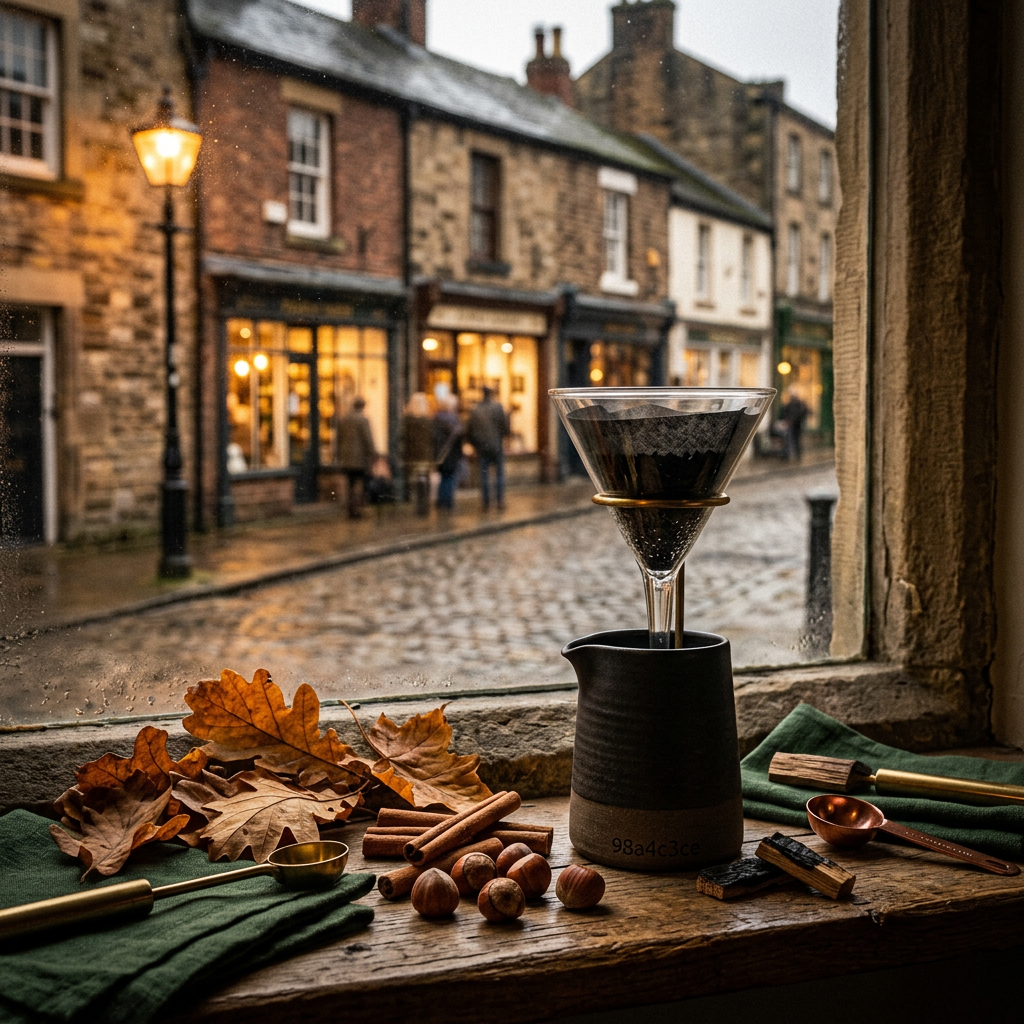
For home distillers in the UK, several advanced filtration techniques can help achieve a smoother, purer product. Activated carbon filtration is perhaps the most widely known, and while it's often done simply, a more advanced approach involves using higher quality carbon and carefully controlling the flow rate. A slower flow through a larger column of activated carbon can be much more effective. Some also experiment with specific types of carbon, like coconut shell activated carbon, known for its effectiveness in removing certain impurities without overly stripping flavour.
Another method is multi-stage filtration, using a series of filters with decreasing pore sizes. This might start with a coarse filter to remove larger particles, moving down to very fine filters, sometimes even sub-micron, to catch smaller impurities. Diatomaceous earth (DE) filtration is also used in some circles, providing very fine particle removal. Each stage targets different types of compounds, leading to a much cleaner spirit. Remember, the goal is always to refine, not to eliminate all character. It's about ensuring each sip is a surprise in its smoothness, not its harshness.
How can proper filtration make moonshine more approachable?
Proper filtration fundamentally changes the consumer experience of moonshine. Many people approach moonshine with an expectation of a rough, fiery spirit. By meticulously filtering, home producers can create a product that challenges this assumption. An approachable moonshine has a soft mouthfeel and a clean finish, leaving no harsh burn on the throat. This allows the inherent character of the spirit to be appreciated, whether it’s the subtle sweetness from the base ingredients or the bright notes of any subsequent infusions.
This smoothness makes moonshine much more versatile for cocktails and even for sipping neat. When a spirit is genuinely smooth, it becomes an excellent alternative to vodkas or gins that some find too sharp. It opens up a world of possibilities for home cocktail enthusiasts, who can then use their refined moonshine in creative recipes. Ultimately, for home distillers aiming for a superior product, investing time in advanced filtration techniques is about crafting a spirit that truly changes expectations, one smooth sip at a time.
Key points
- Advanced filtration helps remove impurities and undesirable congeners that cause harshness in homemade moonshine.
- Techniques like controlled activated carbon filtration and multi-stage filtering with decreasing pore sizes can significantly enhance smoothness.
- A well-filtered moonshine tastes cleaner, allowing underlying flavours to be appreciated without a harsh burn.
- Making moonshine smoother increases its versatility for sipping neat or as a base for flavour-led cocktails.
- The goal of advanced filtration for home distillers is to refine the spirit's character, making it more approachable and enjoyable.
Frequently asked
- Is moonshine filtration necessary?
- While not strictly 'necessary' for safety if distilled correctly, filtration is crucial for improving the taste, smoothness, and overall quality of homemade moonshine by removing impurities.
- What is activated carbon filtration for moonshine?
- Activated carbon filtration uses carbon's porous structure to absorb undesirable compounds and odours from moonshine, resulting in a cleaner, smoother spirit. Effective methods involve slow flow rates and quality carbon.
- Can filtering remove all off-flavours from moonshine?
- Filtering can significantly reduce and remove many off-flavours, but it cannot completely mask fundamental issues from poor fermentation or distillation practices. It's a refinement step, not a fix for faulty production.