After-Dinner Drinks Ideas: What to Pour for the Perfect Digestif
What are the best after-dinner drinks ideas to serve as a smooth digestif?
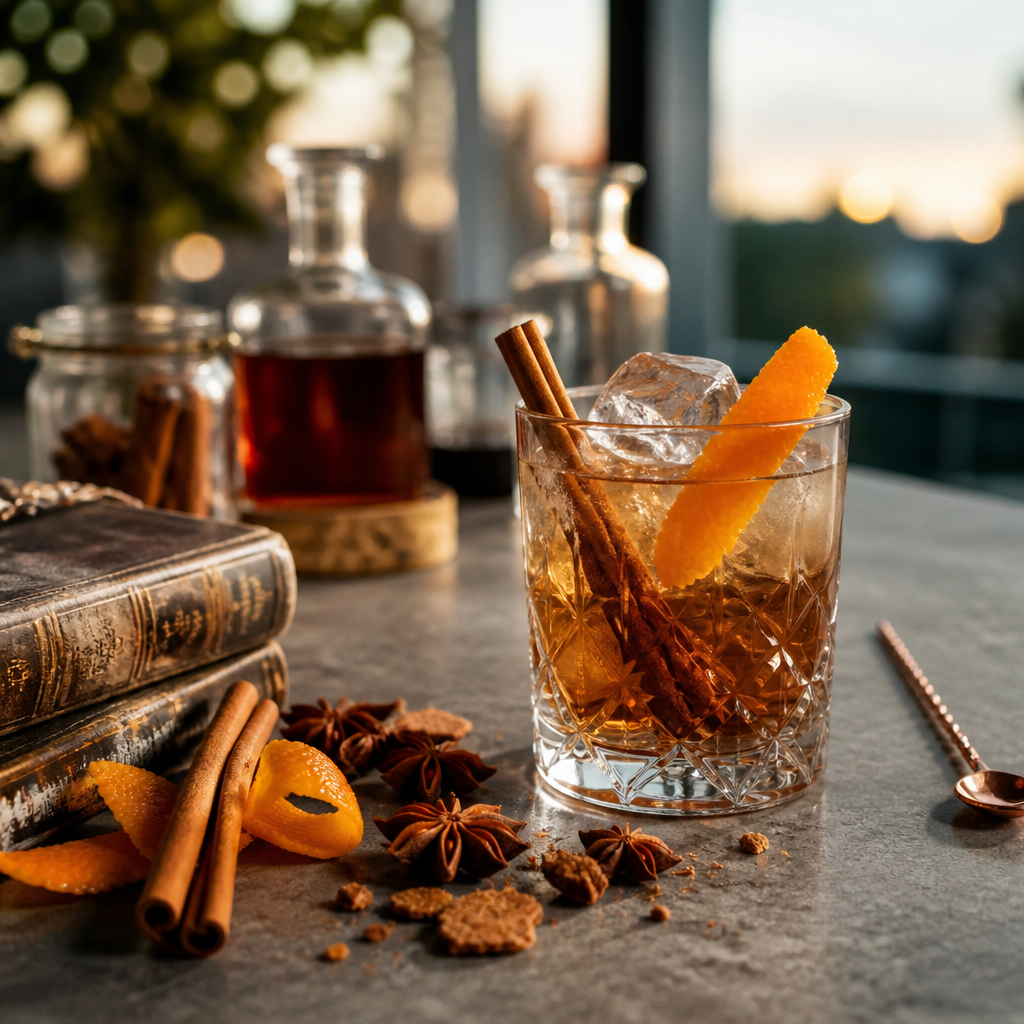
The best after-dinner drinks ideas focus on balance and comfort rather than raw alcoholic strength. A proper digestif should settle the palate, complement the flavours of the meal you just finished, and provide a relaxed reason to linger around the table. Traditionally, British dinner parties have defaulted to dark spirits such as port, cognac, or peated single malts. Yet for many guests, those traditional bottles feel overwhelmingly heavy or sharp, finishing an otherwise lovely evening on an aggressive, throat-scorching note.
The continental tradition of the digestif was never meant to be a test of endurance. Across Central and Eastern Europe, the post-meal pour has always leaned into herbal complexity, orchard fruits, or gentle nutty sweetness designed to ease digestion and reset the senses. When you explore modern craft spirits, you find options that carry deep aroma and rich mouthfeel without the fiery alcohol burn that catches people off guard.
What should you look for when choosing after-dinner drinks?
Choosing the right digestif comes down to what was served during the main course and dessert. If your dinner was rich, buttery, or meat-heavy, you want a spirit that cuts through that richness with clean fruit acidity or gentle aromatic warmth. Conversely, if your dessert was light or fruit-focused, a creamier, nuttier pour acts as the satisfying final punctuation mark of the night.
Alcohol delivery matters just as much as flavour. An after-dinner drink should sip slowly and finish smooth, leaving pleasant warmth across the chest rather than an astringent rasp on the tongue. During tastings across Greater Manchester, we often notice that people who claim they do not enjoy spirits simply have bad memories of fiery supermarket brandies forced on them at the end of a family gathering. Once they taste an approachable spirit where flavour leads and alcohol sits quietly in support, their entire perception changes.
“A digestif is not a quick shot to clear the table; it is an invitation to stay in your chair and let the conversation breathe.”
Distinctive after-dinner drinks ideas beyond traditional brandy
If you want to offer something memorable, look towards nutty and roasted flavour profiles. A neat pour of Roasted Hazelnut bimber at 30% ABV offers deep, toasted praline notes that pair naturally with a cheeseboard, dark chocolate truffles, or a simple espresso. Because Polish-style bimber focuses on smooth distillation, the rich hazelnut character comes through without being weighed down by thick, syrupy additives.
For evenings where dessert is skipped entirely in favour of something sweet in the glass, coffee-led spirits shine. Pouring our Tiramisu bimber at 30% ABV over a single block of ice delivers biscuit, cocoa, and gentle mascarpone notes in a neat, sipping format. It satisfies the craving for an indulgent pudding while remaining remarkably light on the stomach, sidestepping the heaviness of dairy-based cream liqueurs.
Herbaceous and stone fruit spirits also provide brilliant alternatives. A clean plum spirit, an apricot eau-de-vie, or a chilled Polish bimber infused with dried fruits can awaken the palate after a carbohydrate-heavy dinner. If you prefer a mixed serve, combining a smooth spirit with cooled filter coffee or a splash of soda water creates an easy highball that keeps the table lively without overloading anyone with sugar.
How to serve post-dinner sipping spirits at home
Temperature makes or breaks a digestif. Clear fruit spirits and aromatic herbal liqueurs are best served slightly cool, around cellar temperature (12 to 14 degrees Celsius). At this temperature, natural aromatics express themselves clearly without the alcohol vapour overpowering your nose. Nutty, roasted, or dessert-style spirits show their roundest texture at gentle room temperature, though a small cube of clear ice is ideal if you prefer a crisper finish.
Glassware deserves a thought too. Put away the oversized brandy balloons that trap harsh alcohol fumes right beneath your nostrils. Instead, use small tulip-shaped tasting glasses, small wine glasses, or heavy-bottomed sipping tumblers. They focus the subtle aromas of cocoa, fruit, or toasted nuts and encourage your guests to take modest, leisurely sips.
Hosting well is about creating moments where guests feel cared for rather than challenged. The next time you clear the plates, bypass the dusty supermarket bottles and pour a spirit that surprises your guests with its smoothness. You will find that keeping things approachable and flavour-focused keeps everyone at the table far longer than you planned.
Key points
- A proper digestif should soothe the palate and aid conversation, avoiding harsh alcohol burn.
- Nutty and dessert-style spirits such as hazelnut or tiramisu profiles replace heavy puddings without syrupy weight.
- Cellar temperature (12–14°C) is ideal for aromatic and fruit spirits, while roasted notes shine at gentle room temperature.
- Tulip-shaped glasses or small tumblers allow delicate aromas to open up without trapping pungent alcohol fumes.
Frequently asked
- What is the difference between an aperitif and a digestif?
- An aperitif is served before a meal to stimulate appetite and is usually dry or bitter. A digestif is served after dinner to aid digestion, typically featuring richer, sweeter, or herbal notes.
- Should after-dinner spirits be served chilled or at room temperature?
- Clear fruit and herbal spirits show best slightly chilled (12–14°C) to keep them refreshing. Nutty, spiced, or cacao-led spirits are usually poured at room temperature or over a single ice cube.
- What is a good after-dinner drink if I dislike whisky or brandy?
- Flavour-led craft spirits like Polish-style bimber infused with roasted hazelnut, tiramisu, or stone fruit offer rich aroma and a smooth finish without the fiery burn of dark wood-aged spirits.