Difference Between Bimber and Nalewka: Distillation vs Infusion Explained
What is the difference between bimber and nalewka?
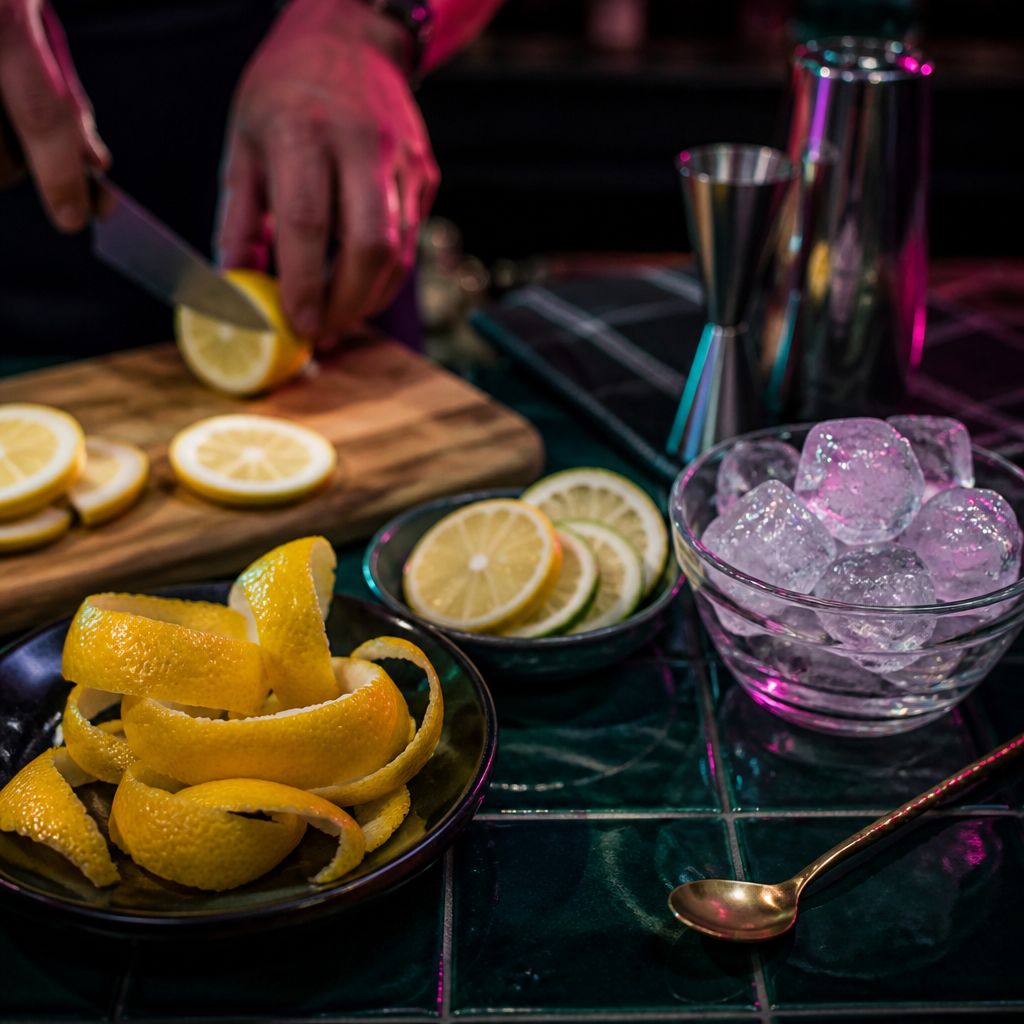
The difference between bimber and nalewka comes down to distillation versus infusion. Bimber is a distilled craft spirit created by fermenting a wash and running it through a still to collect the purified alcohol vapour. Nalewka, on the other hand, is a traditional Polish infusion made by macerating fruits, herbs, or spices in an existing high-strength spirit over several weeks or months.
Is bimber the same as nalewka?
In Poland, both drinks hold deep cultural significance, but they are made using entirely different methods and serve different roles at the table. Bimber is the primary distillate. People who are new to Polish drinking traditions sometimes confuse the two terms, assuming that any traditional Polish bottle must belong to the same category. Bimber is a clear or carefully flavoured spirit where distillation creates the character, while nalewka is closer to a botanical liqueur or homemade cordial where time and extraction do the work.
One question customers ask us every weekend at markets across Manchester and Cheshire is whether our flavoured bottles are actually traditional nalewki. It is a natural question to ask when someone sees bottles like Raspberry or Peach standing on our counter. In Polish households, fruit spirits are often homemade infusions, so people expect the same syrupy texture. But the production processes take completely different routes from the raw ingredients to the finished pour, creating very distinct drinks.
How distillation defines Polish bimber
Bimber begins with a fermented wash, which at AK Distillery is made using a simple base of sugar, yeast, and water. This fermented mixture is heated inside a still, allowing alcohol vapours to rise, separate from the water and impurities, and condense into a clean spirit. Distillation requires careful temperature management to capture the desirable aromatic compounds while leaving behind the harsh elements that cause unpleasant burn.
A properly distilled Polish-style bimber results in a smooth, approachable spirit rather than the fiery liquid people might expect from old movies. At higher strengths, such as our Traditional Bimber at 60% ABV or our Premium Line at 45% ABV, proper distillation technique ensures clarity and flavour rather than rough heat. When we produce flavoured varieties at 30% ABV, the goal is to keep the clean character of the spirit while letting natural fruit or dessert notes lead, rather than masking a rough base with heavy sugar.
How infusion creates a traditional nalewka
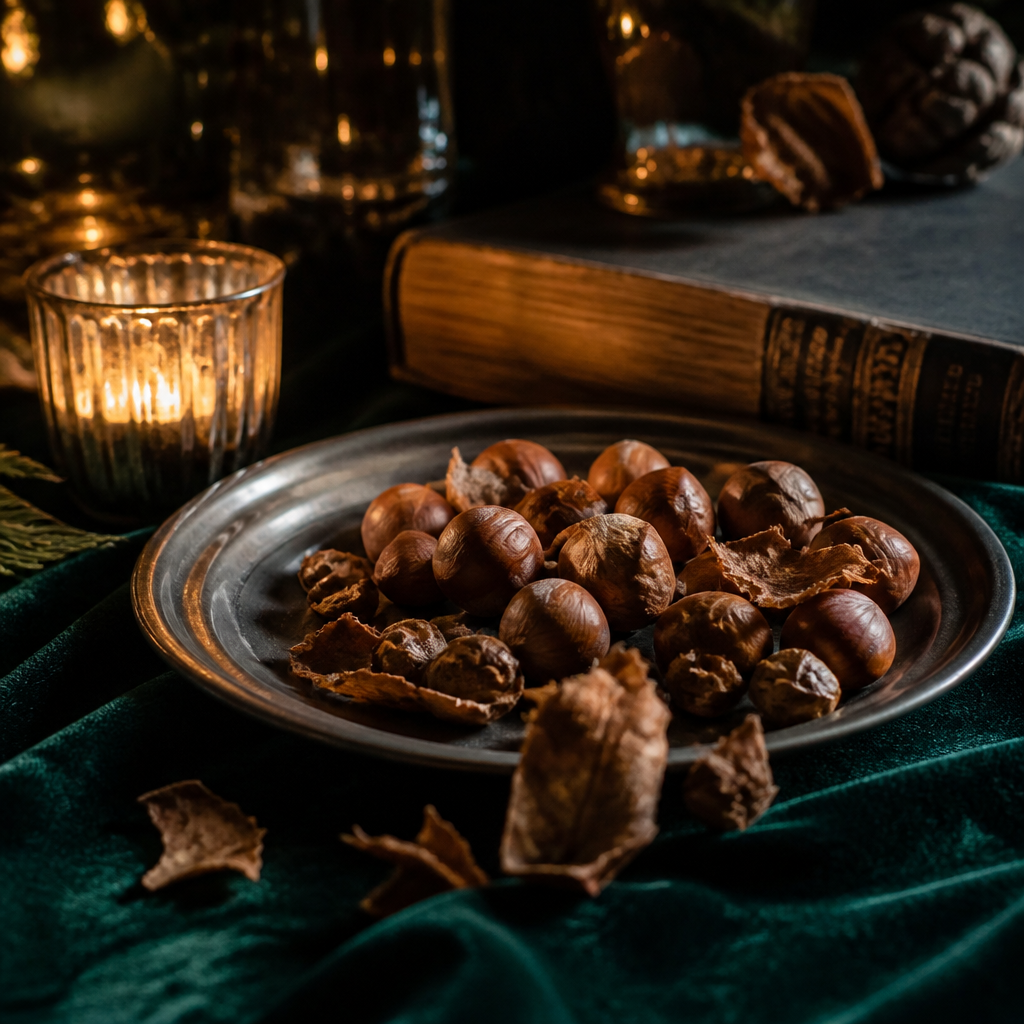
Nalewka does not use a still to extract flavour. Instead, the maker begins with a batch of already-distilled spirit, often neutral grain alcohol, vodka, or plain bimber, and uses it as a solvent. Fresh seasonal fruits like sour cherries, rowanberries, or blackcurrants are placed into glass jars alongside botanicals and covered with the spirit. Over several weeks or months, the alcohol draws out the pigments, natural sugars, and aromatic oils directly from the fruit pulp and skins.
After the maceration period, the liquid is strained to remove the solid fruit, and honey or sugar syrup is stirred in to soften the acidity. The resulting liquid usually rests for several more months in a cool cellar to allow the flavours to marry and settle. A classic nalewka is typically dense, colourful, and sweet, resembling a craft liqueur. It is served in small, stemmed glasses at room temperature, traditionally enjoyed as a digestive after dinner or during festive winter evenings.
Comparing flavour, texture, and how each is served
The sensory difference in the glass is immediate. Bimber is crisp, clean, and versatile. Because it is a distilled spirit, it pours cleanly, mixes easily into cocktails, and drinks smoothly over ice without leaving a syrupy residue on the palate. Nalewka, by contrast, has a heavier mouthfeel, a sweeter profile, and an intense fruit concentration that behaves more like a dessert wine or amaro. You would rarely use a matured nalewka as the base for a highball, just as you would rarely sip a rich berry nalewka in place of a neat table spirit.
Meeting visitors at the Manchester Christmas Markets at the Corn Exchange, we often pour a small taste for someone who expects our bottles to taste like a thick, sugary liqueur or a harsh homebrew. Seeing their surprise when they taste how clean and smooth a modern Polish bimber actually is remains the best part of what we do. Both bimber and nalewka represent beloved elements of Polish heritage, but understanding the difference between distillation and infusion makes finding your preferred style much simpler.
Key points
- Bimber is a distilled spirit produced by fermenting a wash and capturing condensed alcohol vapour through a still.
- Nalewka is an infused spirit made by steeping whole fruit, herbs, or spices in an existing high-proof alcohol over weeks or months.
- Distilled bimber offers a crisp, clean profile suitable for sipping or mixing, whereas nalewka has a thicker, sweeter, liqueur-like consistency.
- Bimber can serve as the neutral spirit base used to create a homemade nalewka, making them complementary traditions rather than competitors.
Frequently asked
- Can you use bimber to make a nalewka?
- Yes. Traditionally in Poland, high-proof bimber is often used as the spirit base poured over seasonal fruit and botanicals to extract their flavours during the maceration process.
- Is nalewka considered a type of bimber?
- No. Nalewka is a distinct category of infused Polish tincture or liqueur. Bimber refers specifically to the distilled spirit itself.
- Which is stronger, bimber or nalewka?
- Bimber is typically higher in alcohol strength, often ranging from 40% to 60% ABV in traditional styles. Nalewka is usually diluted by fruit juices and sugar syrups during infusion, commonly finishing between 25% and 40% ABV.