Was there moonshine production in the UK before the 20th century?
There are historical records of moonshine production in the UK before the 20th century, often known as illicit distilling or poteen, driven by tax avoidance.
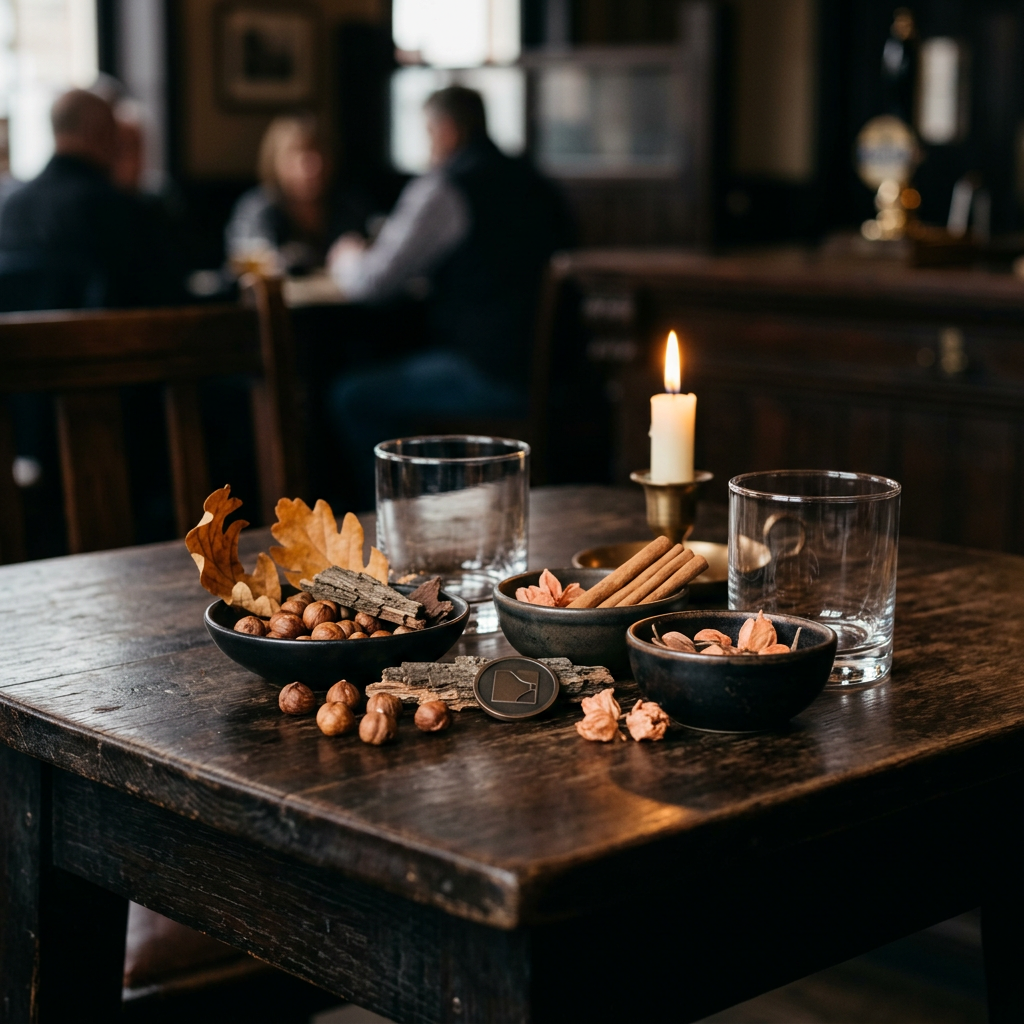
When people hear 'moonshine', their minds usually jump straight to images from American films: shadowy figures, hidden stills, and a fiery, rough spirit. But the idea of making spirits outside official channels to avoid taxes isn't just an American story. Across the UK, particularly in regions like Scotland, Ireland, and even parts of England and Wales, there's a fascinating history of small-scale, unregulated spirit production that long predates the 20th century. It wasn't always called 'moonshine' here, but the principle was much the same.
What is the history of moonshine production in the UK?
The history of illicit distilling in the UK stretches back centuries, long before the modern craft spirits movement. For example, in Scotland, illegal whisky production was widespread from the 18th century onwards, especially in the Highlands. Farmers and crofters would distil their surplus barley into 'aqua vitae' – water of life – to supplement their income and bypass heavy government excise duties. These were often simple, small-batch operations, hidden in remote glens and moorlands, far from the prying eyes of the excisemen. It was a matter of economic survival for many, and the resulting spirit could be surprisingly nuanced, not just a harsh firewater.
Similarly, in Ireland, 'poteen' (from the Irish 'potín', meaning 'small pot') has a deeply embedded history, with references to its illicit production dating back to the 17th century. It was distilled from potatoes or grain, often in secluded areas, and became a symbol of local defiance against taxation and English rule. While the modern version is now legal, its heritage as an underground spirit is undeniable. These historical examples show that the act of distilling spirits secretly, often from locally available ingredients like grain or potatoes, to avoid duty, is a deeply ingrained part of British and Irish rural culture.
This historical context is a long way from the smooth, approachable Polish-style moonshine we make at AK Distillery today. When customers first try our Raspberry moonshine, for instance, they often expect that historical 'kick' that's been talked about. Instead, they get a flavour-led, premium craft spirit that challenges every assumption. It's rewarding to see their surprise, realising moonshine can be genuinely delightful. We focus on ensuring our spirits, whether it's our traditional or a flavoured Peach, offer a clean, smooth finish without any harsh burn, making them easy to sip and enjoy, perhaps even in a cocktail.
Why was 'moonshine' made in secret in the UK?
The primary driver for illicit spirit production, whether in the Scottish Highlands, Irish countryside, or even in Poland with 'bimber', has always been taxation. Governments have long seen alcohol as a lucrative source of revenue, imposing duties that could be crippling for small producers. By operating 'under the moon's light' – hence 'moonshine' – distillers could avoid these taxes and make a living. It wasn't about wanting to create a dangerous product; it was often about necessity and local tradition, preserving methods that bypassed official, expensive routes.
These spirits were made with whatever was available locally – grains, potatoes, fruit, or as we do at AK Distillery, a sugar, yeast, and water base. The craft was in understanding the local ingredients and making the best of them, even if the equipment was rudimentary. This heritage of resourceful, often hidden, production is a shared thread across many European cultures, including Polish-style moonshine, which values a distinct character over industrial uniformity. We hear so often at markets in Greater Manchester how people expect a certain 'burn' from a high-strength spirit, but our Traditional Moonshine at 60% ABV is made to be surprisingly smooth and easy to sip, which often catches people off guard.
Does AK Distillery follow historical moonshine production methods?
While we honour the spirit of small-batch craft production and the rich heritage of Polish-style moonshine, AK Distillery operates as a fully licensed, modern distillery here in Stalybridge. We take inspiration from the emphasis on purity and flavour that characterises traditional Polish methods. Our goal is to change perceptions, showing that moonshine doesn't have to be a rough, dangerous drink. Instead, we craft premium spirits that are flavour-led, approachable, and offer a smooth finish, making them perfect for sipping neat or as a versatile base for home cocktails.
We often meet people at festivals across the North West who are hesitant to try moonshine because of the stereotypes. But one sip of our Premium Line, with its 45% ABV, or a gentle Peach moonshine, and their expectations are completely reset. They discover an easy-to-sip spirit that offers a premium drinking experience. It's all about demonstrating that modern Polish-style moonshine is a world away from the harsh stereotypes, making it a viable and exciting alternative to vodka or gin.
Key points
- Illicit spirit production, often called 'private stilling' or 'poteen', has a long history in the UK, predating the 20th century.
- Early UK 'moonshine' was primarily driven by the desire to avoid government excise duties and taxation.
- Regions like the Scottish Highlands and rural Ireland were known for widespread hidden distilling operations using local ingredients.
- Modern Polish-style moonshine, like that from AK Distillery, focuses on smoothness and flavour, contrasting with historical harsh stereotypes.