Uncovering traditional moonshine making methods in the UK's past
What were the traditional moonshine making methods and ingredients used in the UK before modern craft distilleries?
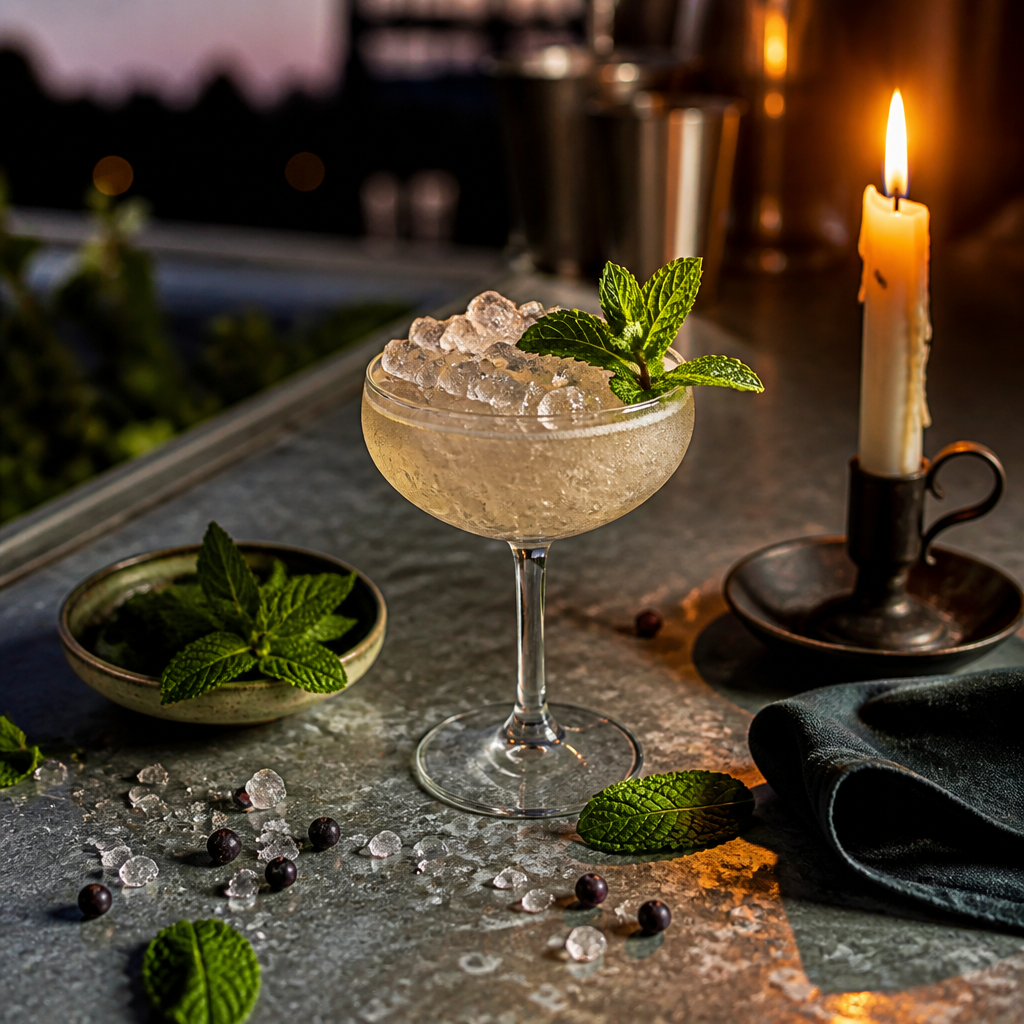
When people hear the word 'moonshine' in the UK, many instantly picture the American-TV stereotype: harsh, fiery, and made in secret. They imagine clandestine stills tucked away in remote corners. But what did traditional moonshine making methods in the UK actually involve, long before modern craft distilleries brought it into the mainstream? It's a question I hear often at markets across the North West, and the answer sheds a lot of light on why AK Distillery is changing perceptions today.
The truth is, much of the UK's history with illicit spirits, often referred to as 'moonshine' or 'poitin' in Ireland, shares common threads with its European counterparts. It was born out of necessity, a way to produce a strong spirit when legal avenues were either too expensive, heavily taxed, or simply unavailable. The ingredients were usually what was readily available and cheap. For many, this meant sugar, water, and yeast – a straightforward combination that could ferment quickly and efficiently. This simplicity meant the focus was on potency rather than flavour or smoothness, leading to the 'rough' reputation many still associate with the name.
How did UK moonshine making methods differ from today?
Historically, the goal of clandestine moonshine makers was often quantity and concealment. This meant distillation equipment was rudimentary, often cobbled together, and operated quickly to avoid detection. The focus was on getting a high-alcohol liquid, often without much concern for the cuts – the 'heads' and 'tails' of distillation that contain unpleasant flavours and compounds. This resulted in a spirit that was indeed harsh, with a burn that few would describe as enjoyable. It’s a far cry from the approachable, flavour-led moonshine we create at AK Distillery today, which prioritises smoothness and a premium drinking experience. We want people to sip and enjoy, not brace themselves.
One key difference, which I think is crucial, is the base ingredients. While our Polish-style moonshine at AK Distillery uses sugar, yeast, and water for its fermentation base – a nod to traditional Polish bimber – many illicit UK spirits would have used whatever surplus crop was at hand, from potatoes to grain. However, the common thread was affordability and ease of access. The refining processes, filtering, and flavouring that create a truly smooth finish were not part of the old methods; they simply didn't have the time or luxury to focus on those details. What we hear most at festivals when people try our Traditional Moonshine is how surprised they are by its clean taste, despite its strength.
What ingredients were typically used for moonshine in the UK?
The ingredients for traditional UK moonshine were largely dictated by local agriculture and economic circumstances. In areas with abundant potatoes, they might have been the base. Where grain was plentiful, that would be used. However, the simplest and cheapest method, and one that required less specialist equipment for fermentation, was often a sugar wash – just sugar, water, and yeast. This is a method that has a long history across many European countries, including Poland, where 'bimber' has its own rich heritage.
It’s this foundation – using sugar, yeast, and water – that links our Polish-style moonshine to a wider European tradition of clear, potent spirits. However, our approach at AK Distillery in Stalybridge is worlds apart in terms of refinement and quality. We focus on producing a spirit that changes expectations. People expect it to burn; they don't expect it to be smooth, approachable, or flavour-led. And that’s the magic we aim to create with every bottle, whether it’s our Traditional Moonshine or a deeply flavoured spirit like our White Chocolate.
So, while the UK's past might hold tales of rough, homemade spirits, the modern craft moonshine scene, exemplified by distilleries like ours, is all about craftsmanship, quality, and a smooth finish. We take those simple historical ingredients and elevate them into a premium drinking experience, perfect for sipping or creating modern cocktails.
Key points
- Traditional moonshine making methods in the UK often involved simple, cheap, and readily available ingredients like sugar, water, and yeast, or surplus crops like potatoes or grain.
- Historical production focused on potency and concealment, leading to rudimentary equipment and often harsh-tasting spirits due to less refined distillation processes.
- Modern craft distilleries like AK Distillery take inspiration from these foundational ingredients (sugar, yeast, water for Polish-style moonshine) but prioritise smoothness, flavour, and a premium drinking experience.
- The harsh reputation of 'moonshine' stems from these historical illicit methods, which contrasts sharply with the approachable, high-quality spirits produced by today's legal craft distillers.